
San Diego, CA
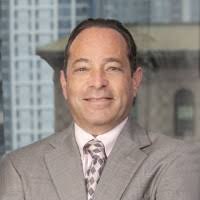
Steven Berenson
- Child Support | Child Support Enforcement
- Spousal Support | Alimony
- 25 years' experience
- Accepting new clients
Contact info
About
Steven Berenson is a Commissioner with the San Diego Superior Court, presiding over Department SD-803, which handles family support matters. He previously spent 17 years as a full-time law professor at Thomas Jefferson School of Law, where he taught family law and founded the school's Veterans Legal Assistance Clinic, providing pro bono representation to homeless veterans. Earlier in his career he served more than five years as an Assistant Attorney General in Massachusetts, handling administrative, constitutional, and consumer-protection litigation. He has authored three law school textbooks and roughly 30 law review articles on family law, legal ethics, and the legal profession, and serves as a volunteer fee-dispute arbitrator for the San Diego County and California Bar Associations.
Practice areas
- Child Support | Child Support Enforcement
- Spousal Support | Alimony
Bar admissions
- Bar no. 216809
Education
- J.D., Harvard Law School, 1989 (magna cum laude)
- LL.M., Harvard Law School, 1998
- B.A., Franklin and Marshall College, 1985 (magna cum laude)
Service offers
- Accepting new clients
- Languages: English
Ready to connect with Steven?
- Pre-screened & verified attorneys
- Completely confidential
- Free to search, no account required
- Exclusively divorce specialists
Questions
Frequently asked questions about divorce in California
Are you a family lawyer? Your story is your edge.For lawyers