
Denton, TX
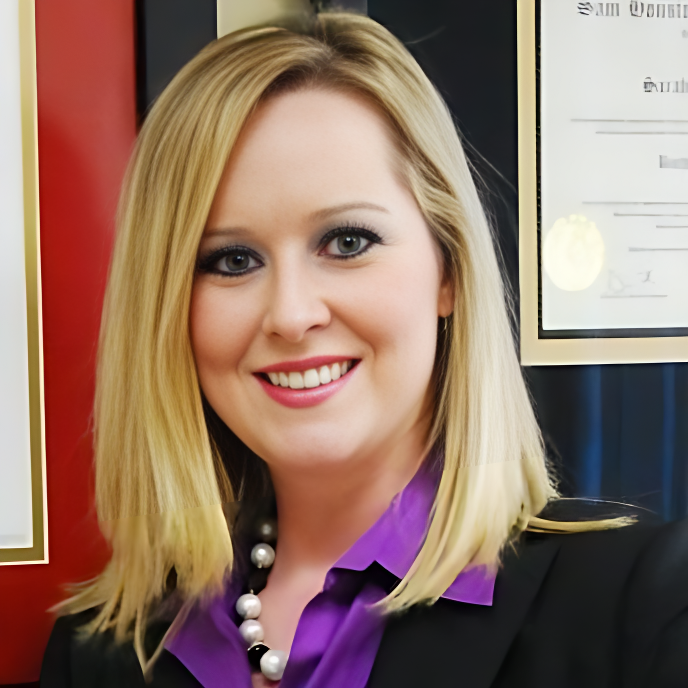
Sarah Darnell
- Divorce and Separation
- Child Custody and Visitation
- Child Support | Child Support Enforcement
- Adoption and Surrogacy
- Collaborative Law
- Property Division
- Mediation
- Paternity Actions
Sarah Darnell is a Partner at Lewis, Passons & Darnell, P.C. with extensive family law litigation experience. She has been licensed to practice law by the Supreme Court of Texas since 2006 and is Board Certified in Family Law by the Texas Board of Legal…
Read more
- 20 years' experience
- Accepting new clients
About
Sarah Darnell is a Partner at Lewis, Passons & Darnell, P.C. with extensive family law litigation experience. She has been licensed to practice law by the Supreme Court of Texas since 2006 and is Board Certified in Family Law by the Texas Board of Legal Specialization (2012). She earned her J.D. from Oklahoma City University School of Law (2006) and her B.S. in Psychology, with a minor in Political Science, from Sam Houston State University (2002, cum laude).
Practice areas
- Divorce and Separation
- Child Custody and Visitation
- Child Support | Child Support Enforcement
- Adoption and Surrogacy
- Collaborative Law
- Property Division
- Mediation
- Paternity Actions
Awards & recognition
- Super Lawyers 2025
- Texas Rising Star, Thomson Reuters (2010, 2014-2020)
Contact info
Bar admissions
- Bar no. 24055320
Education
- J.D., Oklahoma City University School of Law, 2006
- B.S. Psychology (minor in Political Science), Sam Houston State University, 2002
Service offers
- Accepting new clients
Ready to connect with Sarah?
- Pre-screened & verified attorneys
- Completely confidential
- Free to search, no account required
- Exclusively divorce specialists
Questions
Frequently asked questions about divorce in Texas
Sarah Darnell is a Pro member of DivorceLawyer.com. Pro members pay a membership fee to publish here; membership is not an endorsement or a ranking.
Are you a family lawyer? Your story is your edge.For lawyers