
Back to all lawyers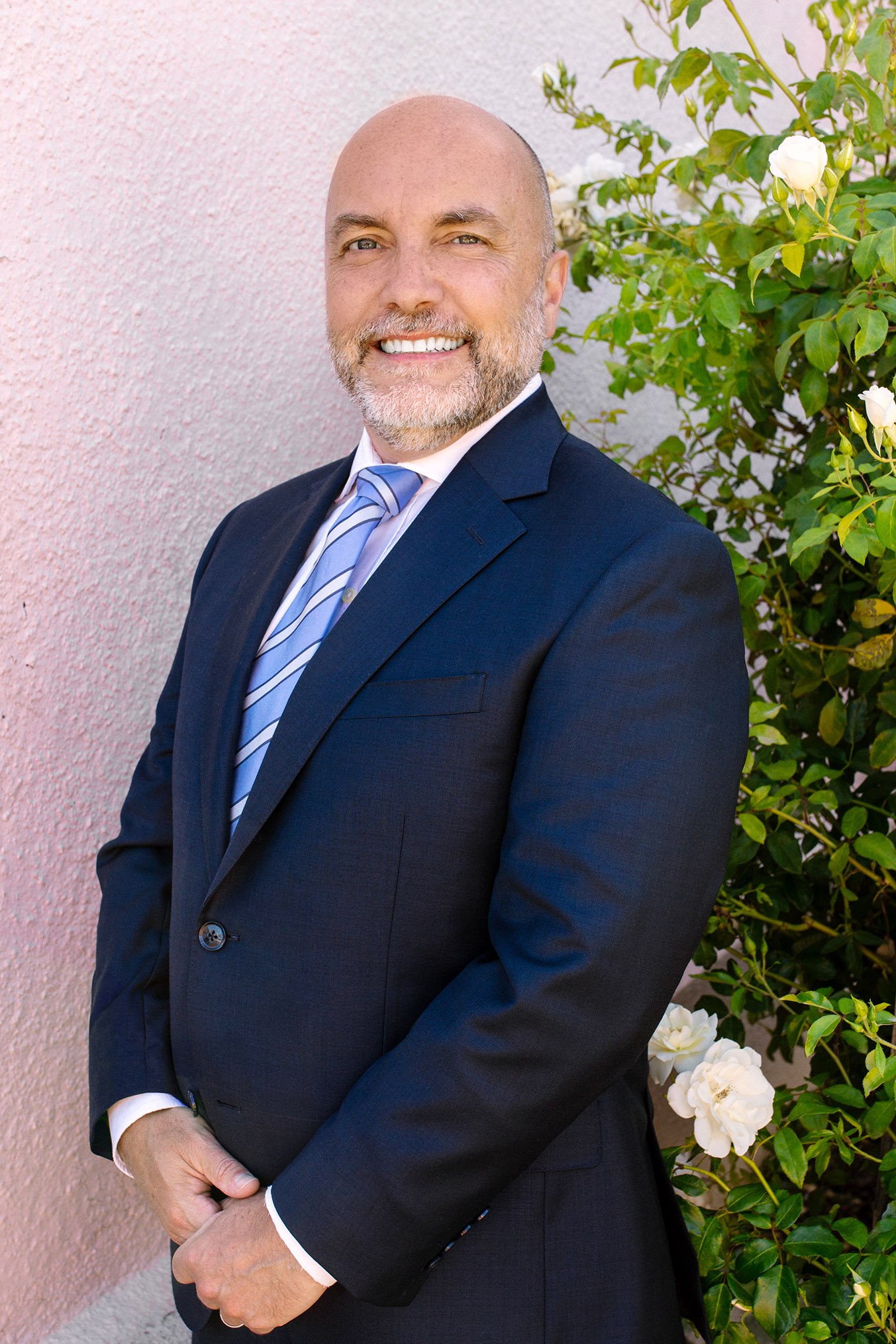
Santa Venetia, CA
Rodrigo Da Silva Dias
- High Asset | High Net Worth
- Complex Divorce
- Child Custody and Visitation
- Child Support | Child Support Enforcement
- Spousal Support | Alimony
- Property Division
- Prenuptial and Postnuptial Agreements
- Mediation
- 19 years' experience
- Accepting new clients
Contact info

About
Rodrigo D. Dias has devoted his practice exclusively to California family law for more than fifteen years, representing business owners, executives, and professionals throughout Marin County and Northern California in complex family law matters. He focuses on protecting clients' immediate interests and long-term financial security through negotiation, mediation, or litigation. He is a Certified Family Law Specialist and a Fellow of the American Academy of Matrimonial Lawyers, and serves as a settlement conference panelist for Marin County Superior Court.
Practice areas
- High Asset | High Net Worth
- Complex Divorce
- Child Custody and Visitation
- Child Support | Child Support Enforcement
- Spousal Support | Alimony
- Property Division
- Prenuptial and Postnuptial Agreements
- Mediation
Awards & recognition
- Fellow, American Academy of Matrimonial Lawyers (AAML)
Bar admissions
- Bar no. 251053
Education
- J.D., University of San Francisco School of Law
- M.S., Clinical Psychology
- B.A., University of California, Berkeley
Service offers
- Accepting new clients
Ready to connect with Rodrigo?
- Pre-screened & verified attorneys
- Completely confidential
- Free to search, no account required
- Exclusively divorce specialists
Questions
Frequently asked questions about divorce in California
While you can represent yourself, having a lawyer is highly recommended, especially with children, significant assets, or contested issues. A lawyer ensures your rights are protected.
Bring financial documents (tax returns, bank statements, pay stubs), property records, prenuptial agreements if applicable, and a list of questions and concerns about your situation.
Yes, California is a community property state. This means most assets and debts acquired during marriage are considered jointly owned and typically divided 50/50 in divorce.
Are you a family lawyer? Your story is your edge.For lawyers