
Back to all lawyers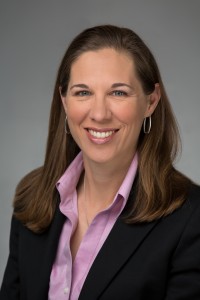
Plano, TX
Rhonda Cleaves
- Divorce and Separation
- Collaborative Law
- Child Custody and Visitation
- Child Support | Child Support Enforcement
- 31 years' experience
- Accepting new clients
Contact info
About
Rhonda Cleaves began practicing law in 1995 and left a successful civil trial practice in 2005 to focus exclusively on family law. Having been raised in a divorced family, she says she understands the challenges families face when confronting divorce. She believes that for most families there are better options than litigation to resolve custody disputes and property division. She graduated summa cum laude from Stephen F. Austin State University and earned her law degree from The University of Texas School of Law.
Practice areas
- Divorce and Separation
- Collaborative Law
- Child Custody and Visitation
- Child Support | Child Support Enforcement
Awards & recognition
- Super Lawyers (2020)
- Best Lawyers
- "Texas Rising Star" — Thomson Reuters, as published in Texas Monthly magazine (2009)
Bar admissions
- Bar no. 00794707
Education
- B.A., Stephen F. Austin State University (summa cum laude) — History, Psychology, Communications
- J.D., The University of Texas School of Law
- Postgraduate study in international law in Mexico
Service offers
- Accepting new clients
Ready to connect with Rhonda?
- Pre-screened & verified attorneys
- Completely confidential
- Free to search, no account required
- Exclusively divorce specialists
Questions
Frequently asked questions about divorce in Texas
While you can represent yourself, having a lawyer is highly recommended, especially with children, significant assets, or contested issues. A lawyer ensures your rights are protected.
Bring financial documents (tax returns, bank statements, pay stubs), property records, prenuptial agreements if applicable, and a list of questions and concerns about your situation.
Yes, Texas is a community property state. Marital assets are presumed to be owned equally, though the court aims for a "just and right" division which may not always be 50/50.
Are you a family lawyer? Your story is your edge.For lawyers