
Back to all lawyers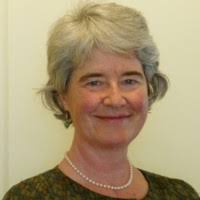
Berkeley, CA
Nancy Lemon
- Domestic Violence | Protective Orders
- 45 years' experience
- Accepting new clients
Contact info
About
Nancy K.D. Lemon co-founded the Family Violence Appellate Project in 2012 and served as its Legal Director; she is now Of Counsel to the organization. She has taught the Domestic Violence Law Seminar at UC Berkeley School of Law since 1988, the first law school class to address the subject, and directs the school's Domestic Violence Field Placement program. She authored Domestic Violence Law, described as the first textbook on the subject and now in its fifth edition. Earlier in her career she directed the Domestic Violence Unit at the Alameda County Legal Aid Society beginning in 1981.
Practice areas
- Domestic Violence | Protective Orders
Awards & recognition
- Corbitt Award, American Bar Association Commission on Domestic & Sexual Violence (2013)
- Outstanding Women of Berkeley Award (2009)
- Lifetime Achievement Award, California Partnership to End Domestic Violence (2009)
Bar admissions
- California, Bar #95627
- Bar no. 95627
Education
- J.D., University of California, Berkeley, School of Law (Boalt Hall), 1980
- B.A. Women's Studies, University of California, Santa Cruz
Service offers
- Accepting new clients
Ready to connect with Nancy?
- Pre-screened & verified attorneys
- Completely confidential
- Free to search, no account required
- Exclusively divorce specialists
Questions
Frequently asked questions about divorce in California
While you can represent yourself, having a lawyer is highly recommended, especially with children, significant assets, or contested issues. A lawyer ensures your rights are protected.
Bring financial documents (tax returns, bank statements, pay stubs), property records, prenuptial agreements if applicable, and a list of questions and concerns about your situation.
Yes, California is a community property state. This means most assets and debts acquired during marriage are considered jointly owned and typically divided 50/50 in divorce.
Are you a family lawyer? Your story is your edge.For lawyers