
Back to all lawyers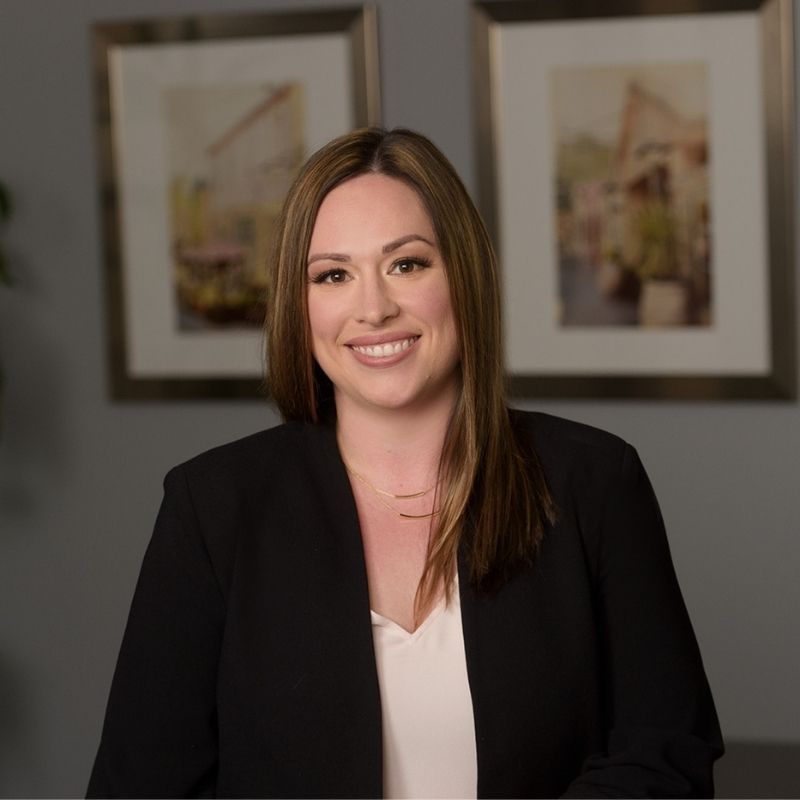
Folsom, CA
Melissa Harman
- Divorce and Separation
- Child Custody and Visitation
- Child Support | Child Support Enforcement
- Spousal Support | Alimony
- Property Division
- 14 years' experience
- Accepting new clients
Contact info
About
Melissa Harman is a Senior Attorney at Purcell Stowell PC and a Certified Family Law Specialist. She was admitted to the State Bar of California in 2012 and handles divorce, child custody and visitation, child and spousal support, property division, complex property characterization, business valuations, and forensic accounting matters. She holds a J.D. from Golden Gate University School of Law and a B.A. in History from California State University, Sacramento.
Practice areas
- Divorce and Separation
- Child Custody and Visitation
- Child Support | Child Support Enforcement
- Spousal Support | Alimony
- Property Division
Awards & recognition
- Northern California Super Lawyers "Rising Stars" list (2019)
- Sacramento Magazine's "Top Lawyers" list (2017, 2018, 2019)
Bar admissions
- Bar no. 285145
Education
- Juris Doctor, Golden Gate University School of Law, 2011 (Certificate of Specialization, Family Law; CALI Award, Legal Writing and Research)
- Bachelor of Arts in History, California State University, Sacramento, 2008
Service offers
- Accepting new clients
Ready to connect with Melissa?
- Pre-screened & verified attorneys
- Completely confidential
- Free to search, no account required
- Exclusively divorce specialists
Questions
Frequently asked questions about divorce in California
While you can represent yourself, having a lawyer is highly recommended, especially with children, significant assets, or contested issues. A lawyer ensures your rights are protected.
Bring financial documents (tax returns, bank statements, pay stubs), property records, prenuptial agreements if applicable, and a list of questions and concerns about your situation.
Yes, California is a community property state. This means most assets and debts acquired during marriage are considered jointly owned and typically divided 50/50 in divorce.
Are you a family lawyer? Your story is your edge.For lawyers