
Back to all lawyers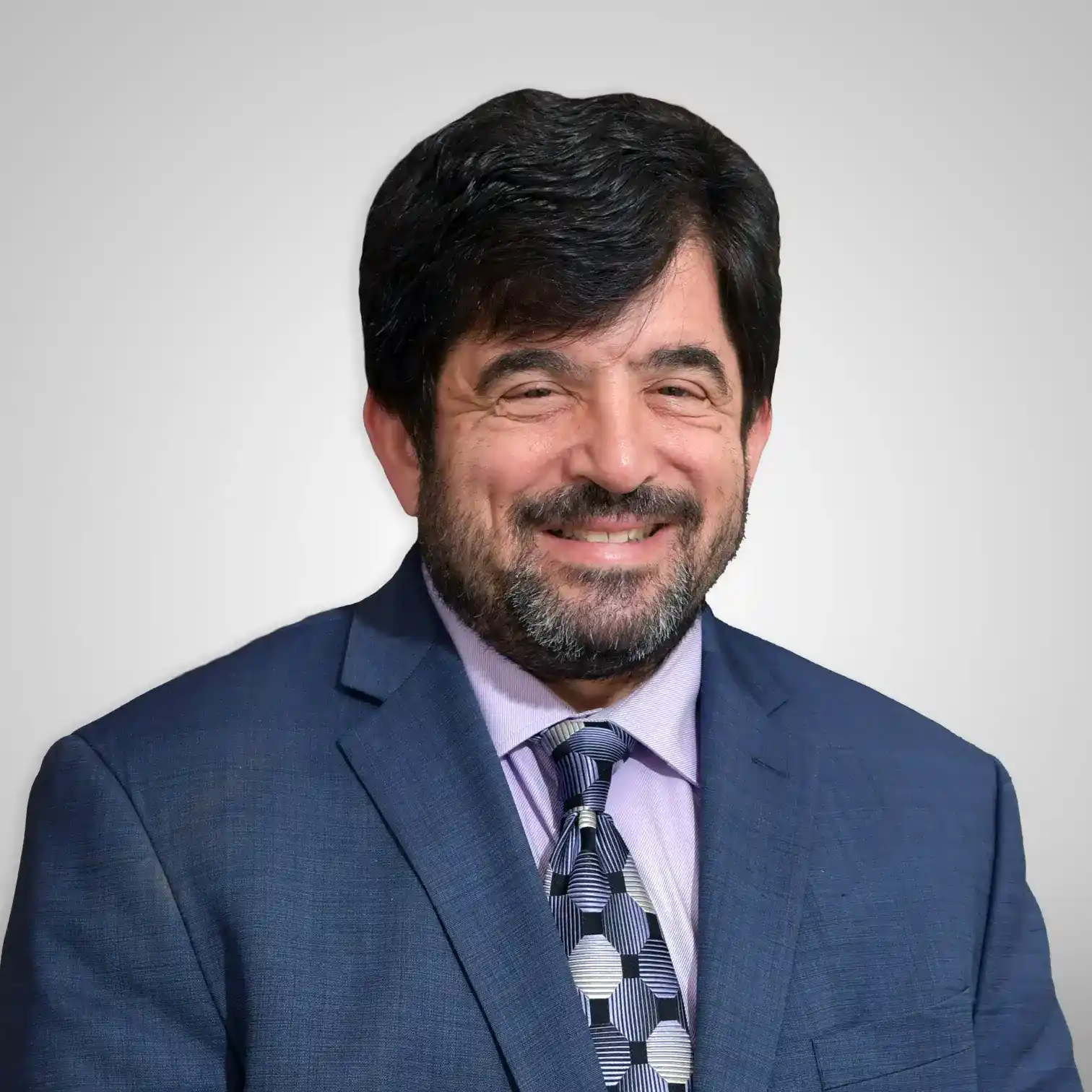
Hidden Hills, CA
Matthew Breddan
- Divorce and Separation
- Child Custody and Visitation
- Child Support | Child Support Enforcement
- Domestic Violence | Protective Orders
- Property Division
- 32 years' experience
- Accepting new clients
Contact info
About
Matthew A. Breddan earned his Bachelor of Arts in Criminal Justice, with a minor in Sociology, from California State University, Fullerton, and his Juris Doctorate from the University of La Verne College of Law. He began practicing law in 1994, opening a family-law practice in the San Fernando Valley before joining Reape-Rickett & Breddan as Shareholder in December 2013, where he now heads the Calabasas office. He litigates family law matters in the Los Angeles, Ventura, and surrounding courthouses.
Practice areas
- Divorce and Separation
- Child Custody and Visitation
- Child Support | Child Support Enforcement
- Domestic Violence | Protective Orders
- Property Division
Awards & recognition
- Martindale-Hubbell AV Preeminent® (2019–2026)
- Southern California Super Lawyers (2010, 2012, 2015–2026)
Bar admissions
- Bar no. 174133
Education
- B.A., Criminal Justice (Sociology minor), California State University, Fullerton
- J.D., University of La Verne College of Law
Service offers
- Accepting new clients
Ready to connect with Matthew?
- Pre-screened & verified attorneys
- Completely confidential
- Free to search, no account required
- Exclusively divorce specialists
Questions
Frequently asked questions about divorce in California
While you can represent yourself, having a lawyer is highly recommended, especially with children, significant assets, or contested issues. A lawyer ensures your rights are protected.
Bring financial documents (tax returns, bank statements, pay stubs), property records, prenuptial agreements if applicable, and a list of questions and concerns about your situation.
Yes, California is a community property state. This means most assets and debts acquired during marriage are considered jointly owned and typically divided 50/50 in divorce.
Are you a family lawyer? Your story is your edge.For lawyers