
University Park, TX
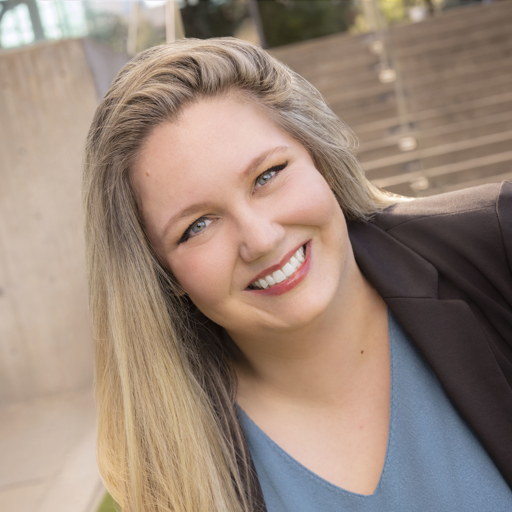
Jordan Watson
- Divorce and Separation
- Child Custody and Visitation
- Guardianship and Conservatorship
- Property Division
- Parenting Plan
- 6 years' experience
- Accepting new clients
Contact info
About
Jordan Watson discovered her interest in family law during a judicial internship after her first year of law school, then worked as an associate attorney trying cases across North Texas before joining Epstein Family Law, P.C. She graduated cum laude from SMU's Dedman School of Law after earning a B.A. from Ouachita Baptist University, and served as Chief Counsel in the VanSickle Family Law Clinic and president of the Family Law Association while in school. Her practice has focused on complex custody matters, including securing managing conservatorship for non-parent relatives and litigating contested property division involving concealed assets. She has tried divorce and custody-modification cases in Dallas and Collin Counties.
Practice areas
- Divorce and Separation
- Child Custody and Visitation
- Guardianship and Conservatorship
- Property Division
- Parenting Plan
Awards & recognition
- Super Lawyers: Rising Stars, 2026
- Best Lawyers Under 40, D Magazine, 2026
Bar admissions
- Bar no. 24110895
Education
- B.A., Ouachita Baptist University, magna cum laude, 2014
- J.D., Southern Methodist University, Dedman School of Law, cum laude, 2020
Service offers
- Accepting new clients
Ready to connect with Jordan?
- Pre-screened & verified attorneys
- Completely confidential
- Free to search, no account required
- Exclusively divorce specialists
Questions
Frequently asked questions about divorce in Texas
Are you a family lawyer? Your story is your edge.For lawyers