
Back to all lawyers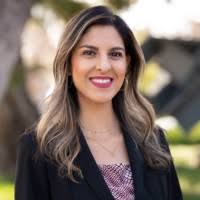
Irvine, CA
Jennifer Corona
- Divorce and Separation
- Child Custody and Visitation
- Child Support | Child Support Enforcement
- Spousal Support | Alimony
- Property Division
- Domestic Violence | Protective Orders
- Paternity Actions
- Guardianship and Conservatorship
- 5 years' experience
- Accepting new clients
Contact info

About
Jennifer Corona is an associate attorney at Minyard Morris, LLP in Newport Beach, California, and an Orange County native who earned her B.A. from UC Berkeley, M.S. from Johns Hopkins University, and J.D. from Western State College of Law. She previously worked as a bilingual educator with Teach for America in Texas before practicing family law. She serves as Vice President of the Orange County Hispanic Bar Association and is bilingual in Spanish.
Practice areas
- Divorce and Separation
- Child Custody and Visitation
- Child Support | Child Support Enforcement
- Spousal Support | Alimony
- Property Division
- Domestic Violence | Protective Orders
- Paternity Actions
- Guardianship and Conservatorship
Awards & recognition
- Witkin Award for Academic Excellence in Trial Practice — Minyard Morris bio
- Super Lawyers, 2026 — Avvo honors
- Super Lawyers, 2027 — Avvo honors
Bar admissions
- California, 2021
Education
- B.A., University of California, Berkeley
- M.S., Johns Hopkins University
- J.D., Western State College of Law
Service offers
- Accepting new clients
- Languages: Spanish
Ready to connect with Jennifer?
- Pre-screened & verified attorneys
- Completely confidential
- Free to search, no account required
- Exclusively divorce specialists
Questions
Frequently asked questions about divorce in California
While you can represent yourself, having a lawyer is highly recommended, especially with children, significant assets, or contested issues. A lawyer ensures your rights are protected.
Bring financial documents (tax returns, bank statements, pay stubs), property records, prenuptial agreements if applicable, and a list of questions and concerns about your situation.
Yes, California is a community property state. This means most assets and debts acquired during marriage are considered jointly owned and typically divided 50/50 in divorce.
Are you a family lawyer? Your story is your edge.For lawyers