
Oceanside, CA
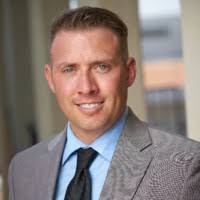
Jeffrey Lacy
- Divorce and Separation
- Child Custody and Visitation
- Child Support | Child Support Enforcement
- Domestic Violence | Protective Orders
- Property Division
- 21 years' experience
- Accepting new clients
Contact info
About
Jeff Lacy is a partner at Greenman, Lacy, Klein, Hinds & Weiser (formerly Greenman Lacy Klein O'Harra & Heffron) in Oceanside, California, where he has practiced family law since 2005, handling divorce, child custody, child support, property division, domestic violence and restraining order matters, and legal separations. He earned his undergraduate degree from the University of California San Diego and his J.D. from California Western School of Law. He served as the youngest president of the North County Bar Association in 2013 and as statewide chair of the Conference of California Bar Associations in 2020, during which he led the organization's first virtual conference.
Practice areas
- Divorce and Separation
- Child Custody and Visitation
- Child Support | Child Support Enforcement
- Domestic Violence | Protective Orders
- Property Division
Awards & recognition
- Avvo "Superb" 10.0 rating
- Super Lawyers "Rising Star" award
Bar admissions
- California (2005)
Education
- J.D., California Western School of Law
- B.A., University of California San Diego
Service offers
- Accepting new clients
Ready to connect with Jeffrey?
- Pre-screened & verified attorneys
- Completely confidential
- Free to search, no account required
- Exclusively divorce specialists
Questions
Frequently asked questions about divorce in California
Are you a family lawyer? Your story is your edge.For lawyers