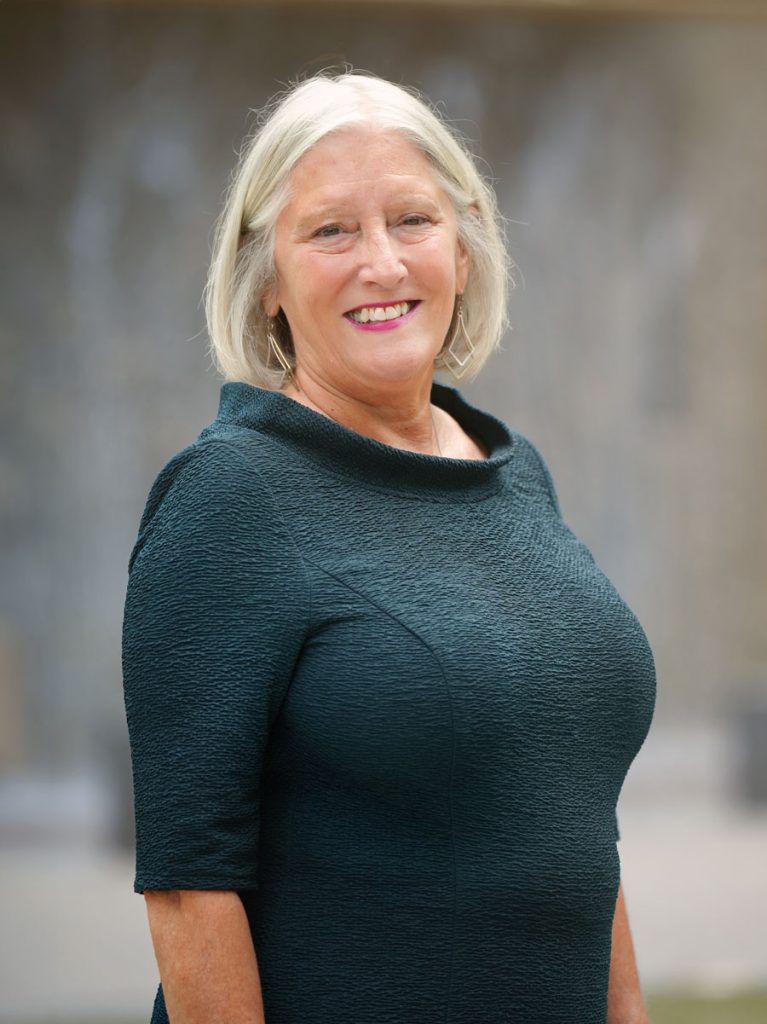
Deborah Dilman
Charlotte, NC

Deborah Dilman

Modern Legal

Collaborative LawMediationChild Custody and Visitation+3 More

Dilman earned her undergraduate degree from Queens University of Charlotte and her J.D. from Syracuse University College of Law in 2003. She began her legal career with Legal Aid of North Carolina in Winston-Salem before relocating to the C…

23 years' experience
Accepting New Clients

About

Dilman earned her undergraduate degree from Queens University of Charlotte and her J.D. from Syracuse University College of Law in 2003. She began her legal career with Legal Aid of North Carolina in Winston-Salem before relocating to the Charlotte area in 2005 to focus exclusively on family law. She is a trained collaborative-law attorney and a certified mediator through the North Carolina Dispute Resolution Commission (family financial and superior court matters). She previously represented children through the Custody Advocacy Program until the Council for Children's Rights closed in 2026.

Practice Areas

Collaborative LawMediationChild Custody and VisitationChild Support | Child Support EnforcementPrenuptial and Postnuptial AgreementsDivorce and Separation

Awards & Recognition

  • Super Lawyers, Family Law (2020-2026)
  • Harmony Award, North Carolina Bar Association (2023)
Subscription badge

Bar Admissions

  • North Carolina, 2003

Education

  • J.D., Syracuse University College of Law, 2003
  • B.A. (Business), Queens University of Charlotte

Service Offers

  • Accepting New Clients

Ready to Connect with Deborah?

Pre-Screened & Verified Attorneys
Completely Confidential
Free To Search, No Account Required
Exclusively Divorce Specialists

Are you Deborah?

Access your profile to add more information, photos, and improve your visibility.

Access Your Profile

Frequently Asked Questions About Divorce in North Carolina

Do I need a divorce lawyer?
While you can represent yourself, having a lawyer is highly recommended, especially with children, significant assets, or contested issues. A lawyer ensures your rights are protected.
What should I bring to my first consultation?
Bring financial documents (tax returns, bank statements, pay stubs), property records, prenuptial agreements if applicable, and a list of questions and concerns about your situation.